History
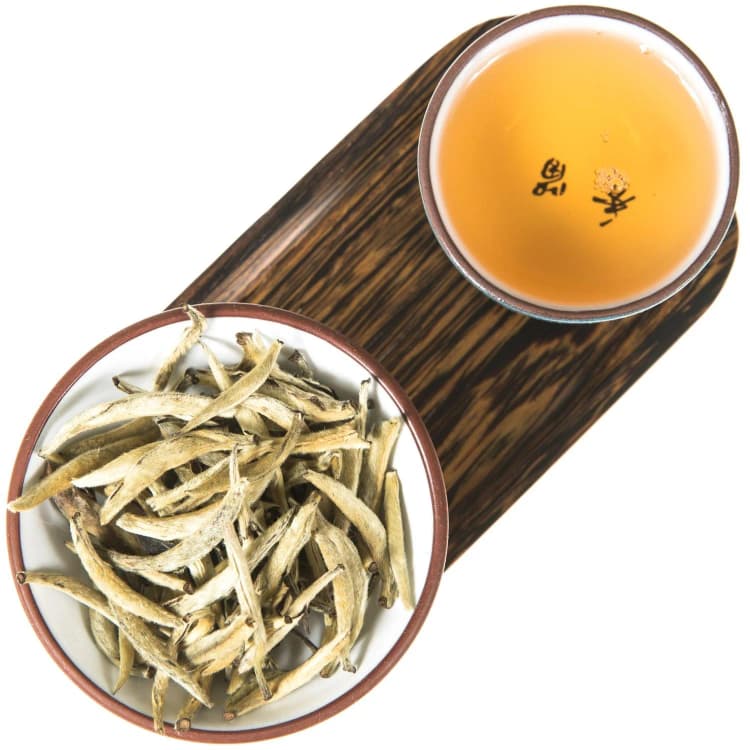
Silver Needle, or Baihao Yinzhen (白毫银针), is one of China's most prestigious white teas. It originated in Fujian Province, where it is traditionally made entirely from the unopened buds of the tea plant. These buds are covered in fine, silvery-white hairs, giving the tea its distinctive appearance and its name.
The tea's modern production is closely associated with the Da Bai (大白, “Big White”) cultivars of Fujian, particularly those associated with Fuding and Zhenghe. These cultivars produce large, plump buds with a dense covering of silvery hairs, making them especially well suited to Silver Needle production.
Flavor
As one of the least processed styles of tea, Silver Needle has an exceptionally clean and fresh flavor. I find it remarkably smooth, with almost no bitterness when brewed properly. It has a honey-like sweetness, a refreshing quality reminiscent of cucumber, and a subtle nuttiness. Its texture is especially distinctive: soft, silky, and almost velvety on the palate.
Brewing
I prefer brewing this tea gongfu-style, using approximately 4–5 grams of tea per 100 ml of water at around 85°C. I usually begin with a 15-second infusion and increase the steeping time by roughly five seconds with each subsequent infusion. Silver Needle is also well suited to longer, gentler brewing, and many brewing guides recommend around 85°C water for several minutes.
For a Western-style brew, I use approximately 2–3 grams of tea per 250 ml of water at around 85°C, steeping for several minutes.
My Thoughts
This is one of my favorite teas. I consider it one of the most refreshing teas I have ever had, while still possessing an incredibly refined flavor. Its balanced taste and velvety texture are what make it so special to me.
Silver Needle is certainly on the more expensive side, but I find the price justified for many high-quality varieties. I hope this tea and other similar white teas become more popular, because I think they offer an experience that is more refined and rewarding than much of what is currently available on the tea market.