History
Cloud Mountain is a black tea associated with the large-leaf tea varieties grown in regions of China and Taiwan. Both regions have long histories of tea cultivation, although their black-tea industries developed in different ways.
In Taiwan, the development of modern black tea production was heavily influenced by the Japanese during the first half of the twentieth century. In the 1920s, Assamica tea plants were introduced from India and cultivated around Yuchi and Sun Moon Lake, where the climate and frequent mist provided favorable growing conditions. By the 1930s, the region had developed a significant black-tea industry.
Yunnan, meanwhile, has its own long history of tea cultivation and is famous for large-leaf tea varieties and black teas such as Dianhong. The region's high mountains, humidity, and diverse tea cultivars have helped produce teas with distinctive sweetness and aromatic complexity.
The exact origins and production methods of Cloud Mountain can vary depending on the producer, but the tea I have tried is a sweet, fruity black tea made from large-leaf tea varieties.
Flavor
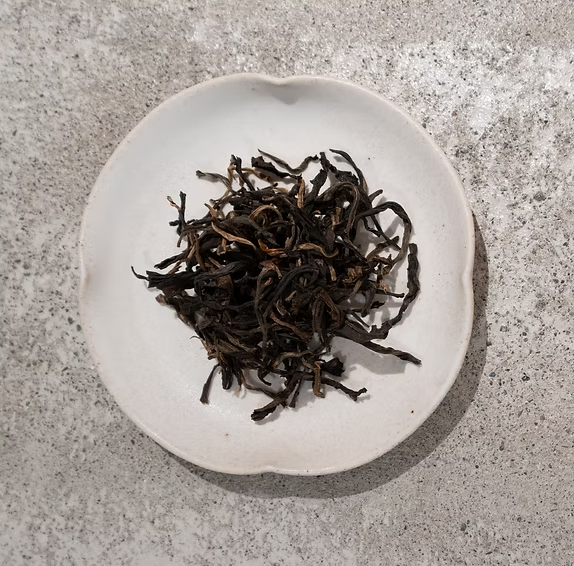
This is a very sweet black tea that balances the boldness of oxidation with a soft, fruity flavor profile and floral notes. I get hints of peach and cherry, along with a velvety, silky texture.
Brewing
This tea is best brewed Gongfu-style with 4–5 grams of tea per approximately 100 ml of water at 90–95°C. Begin with infusions of around 10–15 seconds, increasing the steeping time gradually as the leaves open and the flavor begins to fade.
For a Western-style brew, use 2–3 grams of tea per 250 ml of water at approximately 95°C. Steep for several minutes, adjusting the time to taste.
My Thoughts
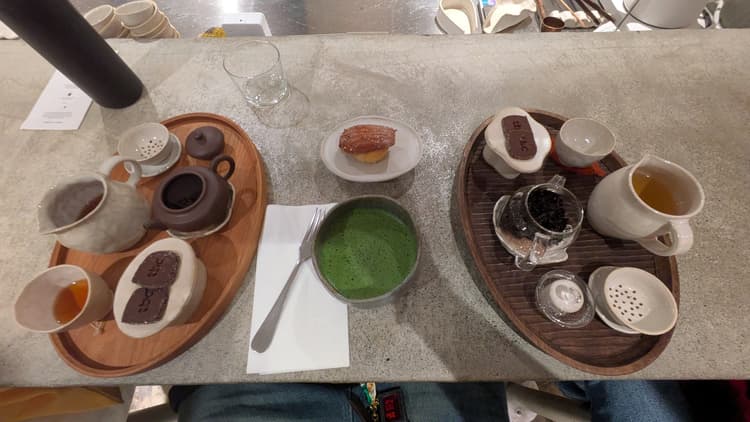
This is a delicious black tea that can be enjoyed at almost any time of day. It is not as harsh as Assam, Jade Rouge, or some other black teas. One of the sweetest black teas I have tried, it is especially enjoyable alongside dessert or another sweet treat.
Overall, I think this is a very good tea, although I do not think it pairs particularly well with a meal. The sweetness that makes it so enjoyable on its own can sometimes compete with the flavors of food.