History
Darjeeling tea is grown in the Darjeeling district of West Bengal, in the foothills of the Himalayas. Commercial tea cultivation began there in the 19th century after the British established tea gardens using tea plants and seeds from China, as well as varieties and hybrids developed in India.
The region's high elevation, cool climate, misty conditions, and distinctive terroir give Darjeeling tea a character unlike most other Indian teas. Although it is generally classified as a black tea, Darjeeling can vary significantly depending on the cultivar, harvest season, and processing style. Some Darjeeling teas can even resemble lightly oxidized Chinese teas in their floral and fruity character.
Darjeeling is particularly famous for its muscatel character, a distinctive fruity flavor often associated with the region's second flush teas. This character is one of the reasons Darjeeling is sometimes referred to as the “Champagne of Teas.”
Flavor
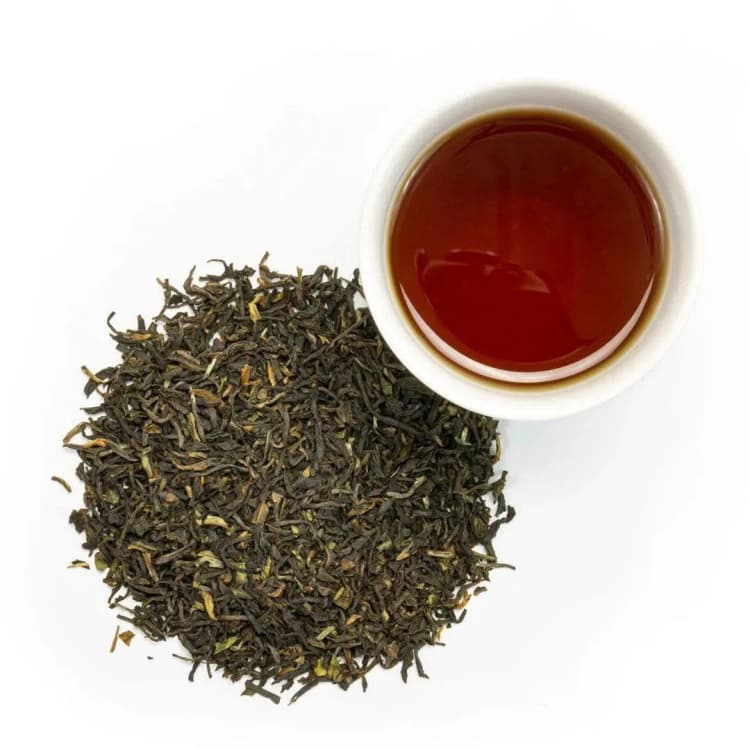
Darjeeling is an exceptionally complex black tea. Depending on the harvest and processing, it can have floral, fruity, muscatel, woody, and lightly astringent notes.
Many Darjeeling teas have a distinctive grape-like fruitiness, which gives them an almost wine-like quality. This, combined with their floral fragrance and lighter body compared with many other black teas, can make them resemble certain Chinese black teas more than the bold, malty teas commonly associated with India.
Brewing
Darjeeling is generally best brewed Western-style. Use approximately 2–3 grams of tea per 250 ml of water at around 90–95°C and steep for 3–5 minutes, adjusting the time according to the tea and your personal preference.
Higher-quality Darjeeling teas can also be brewed multiple times, particularly when brewed with slightly cooler water and shorter steeping times.
My Thoughts
Darjeeling is an extremely unique tea. To me, it often tastes almost like a Chinese black tea, despite being grown in India. Its distinctive grape-like character is one of the reasons it has earned the nickname “the Champagne of Teas.”
It is also one of the most versatile teas I have tried. Its complexity makes it interesting enough to drink on its own, while its lighter body and fruity character allow it to pair wonderfully with all kinds of food.
It is one of my favorite teas, and for good reason. If you have never tried Darjeeling before, I highly recommend giving it a chance.