History
In 1835, Yamamoto Kahei, the sixth-generation head of the Yamamotoyama tea company, developed gyokuro in Uji after discovering that shading tea plants before harvest could dramatically alter the character of the leaves. The reduced sunlight increases the concentration of amino acids such as L-theanine, producing the intense sweetness and umami that gyokuro is known for.
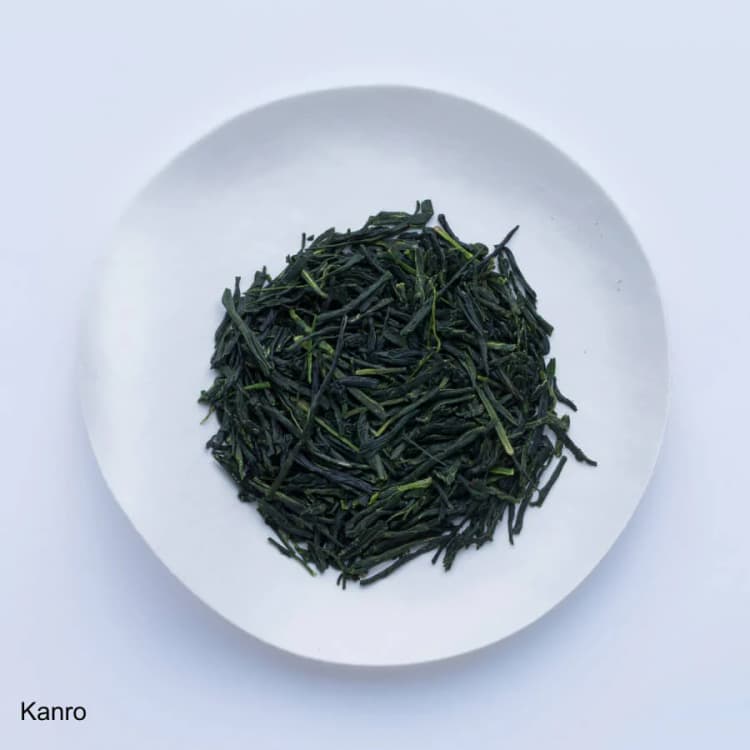
Gyokuro is sometimes described as “unground matcha,” but this is not technically accurate. Both teas are shaded before harvest, but matcha is made from tencha, which is processed specifically to be ground into a powder. Gyokuro, by contrast, is processed into whole, rolled leaves and brewed like other loose-leaf Japanese teas.
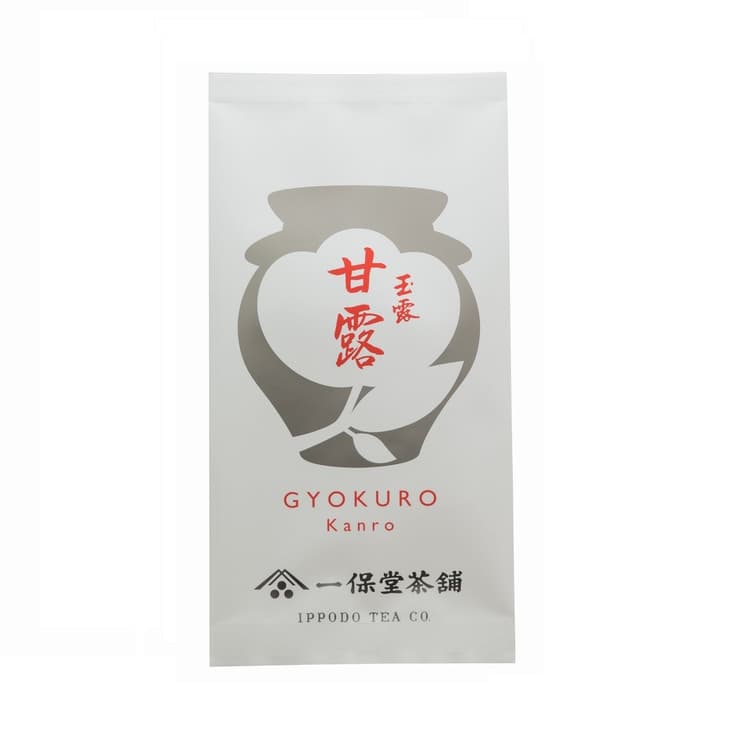
The technique of shading was refined over time, and gyokuro eventually became one of Japan's most prestigious teas. Ippodo, the Kyoto tea company that produces this Kanro Gyokuro, was founded in 1717 and adopted its current name in 1846. Today, Ippodo specializes in blending and selling teas from Kyoto and the surrounding Uji region.
Flavor
Sweet and filled with umami, this is an extremely rich tea that is nuanced yet sublime. It tastes like a tea that you would break out when you have guests over. It is the quintessential gyokuro and a great introduction to the world of gyokuro.
Brewing
Prepare 10 grams of leaves in a kyusu. Add 80 ml of water at 60°C and steep for 90 seconds. This relatively low temperature and high leaf-to-water ratio help draw out gyokuro's concentrated sweetness and umami while minimizing bitterness and astringency.
My Thoughts
Overall, this tea is the perfect introduction to the world of gyokuro. I find it to be a simple yet enjoyable tea. I used to serve it often when guests came over, but as time has passed, I have found that people tend to prefer stronger teas when they come to a tea ceremony.