茶
Matcha
Green tea as a fine powder mixed into a thick liquor
What Is Matcha?
During the Tang and Song dynasties, mocha (末茶), powdered tea whisked into hot water, was a staple of Chinese tea culture. It was especially favored by Buddhist monks, who would sometimes whisk images into the foam during ceremonies. To prepare the tea, steamed leaves were compressed into cakes, roasted, ground into a fine powder, and whisked into water.
In the late 1100s, the Japanese monk Eisai brought this style of tea from China to Japan. He planted tea seeds in Uji, near Kyoto, which remains the spiritual home of matcha to this day. Over the following centuries, powdered tea became deeply intertwined with Japanese culture and Zen Buddhism. The Japanese tea ceremony was later refined and codified by Sen no Rikyū during the 1500s.
Around this time, Japanese farmers began shading tea plants for several weeks before harvest. This process increases chlorophyll and amino acid content—particularly L-theanine—giving matcha its vibrant green color, rich umami flavor, and characteristic sweetness. The shaded leaves are processed into tencha (碾茶), which is then stone-ground into matcha.
Meanwhile, powdered tea gradually disappeared from China. After the Hongwu Emperor banned compressed tea cakes in 1391, loose-leaf tea became the standard, and the tradition of powdered tea largely faded. In Japan, however, the practice continued to evolve, preserving matcha as a central part of Japanese tea culture.
Beginning in the 2010s, matcha experienced a surge in global popularity because of its vibrant green color, distinctive flavor, and versatility in drinks and desserts. While this has introduced millions of people to tea, it has also driven up prices, strained production, and shifted much of matcha consumption away from traditional usucha, koicha, and the Japanese tea ceremony toward lattes and other modern preparations.
Brewing
Brewing matcha is relatively simple, although the final result depends greatly on the brewer's technique. It is a skill that is easy to learn but difficult to master. The best instructional videos I have found are from Tezumi, and I highly recommend watching them before making matcha for the first time.
Begin by blooming your chasen (tea whisk) in warm water, around 70–80°C, for two to three minutes. This softens the bamboo tines and helps prevent them from breaking. While the whisk is soaking, prepare your chawan (tea bowl), chashaku (bamboo scoop), and tea strainer.
The amount of matcha you use depends on the style you are preparing. For koicha, the thick style of matcha, I recommend using about 4 grams of high-quality matcha (roughly 4 scoops with a chashaku). For usucha, the thinner style that I drink most often, use about 2 grams (roughly 2 scoops). If you plan on making a latte or another milk-based drink, I recommend preparing usucha first.
Sift the matcha through a fine strainer into your chawan to remove any clumps. Then add about 20–30 ml of water for koicha or 60–70 ml for usucha at 70–80°C.
For usucha, whisk the tea rapidly in a back-and-forth W or M motion rather than stirring in circles until a fine layer of foam covers the surface. For koicha, use a slow folding and kneading motion instead of whisking to create a thick, smooth consistency without foam.
Once the matcha reaches the desired texture, it is ready to enjoy.
Explore Matchas
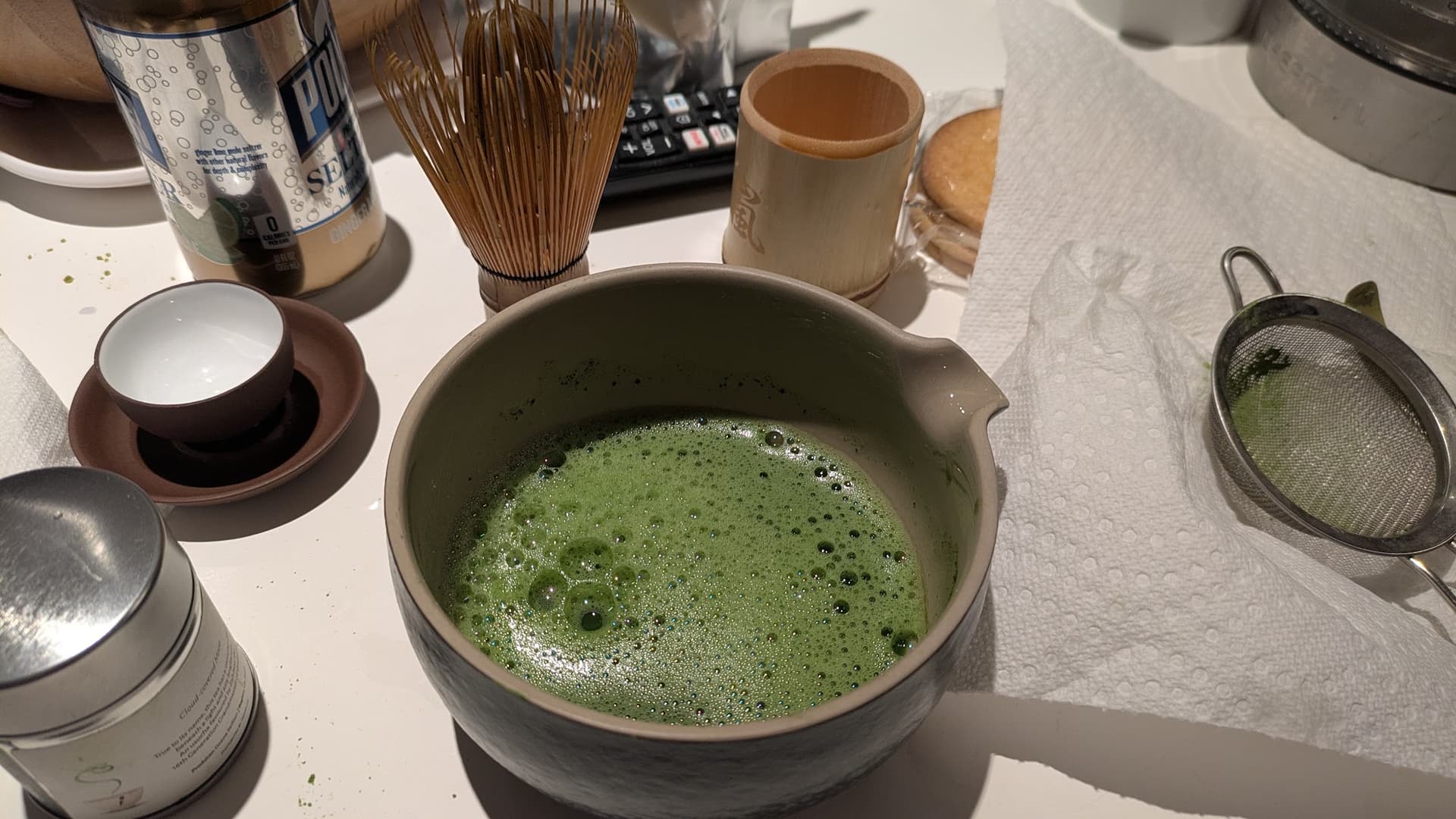
Ungetsu no Shiro
A cloud-covered moon: the usucha favored by Zabōsai, the 16th-generation Grand Master of Urasenke.
Read →
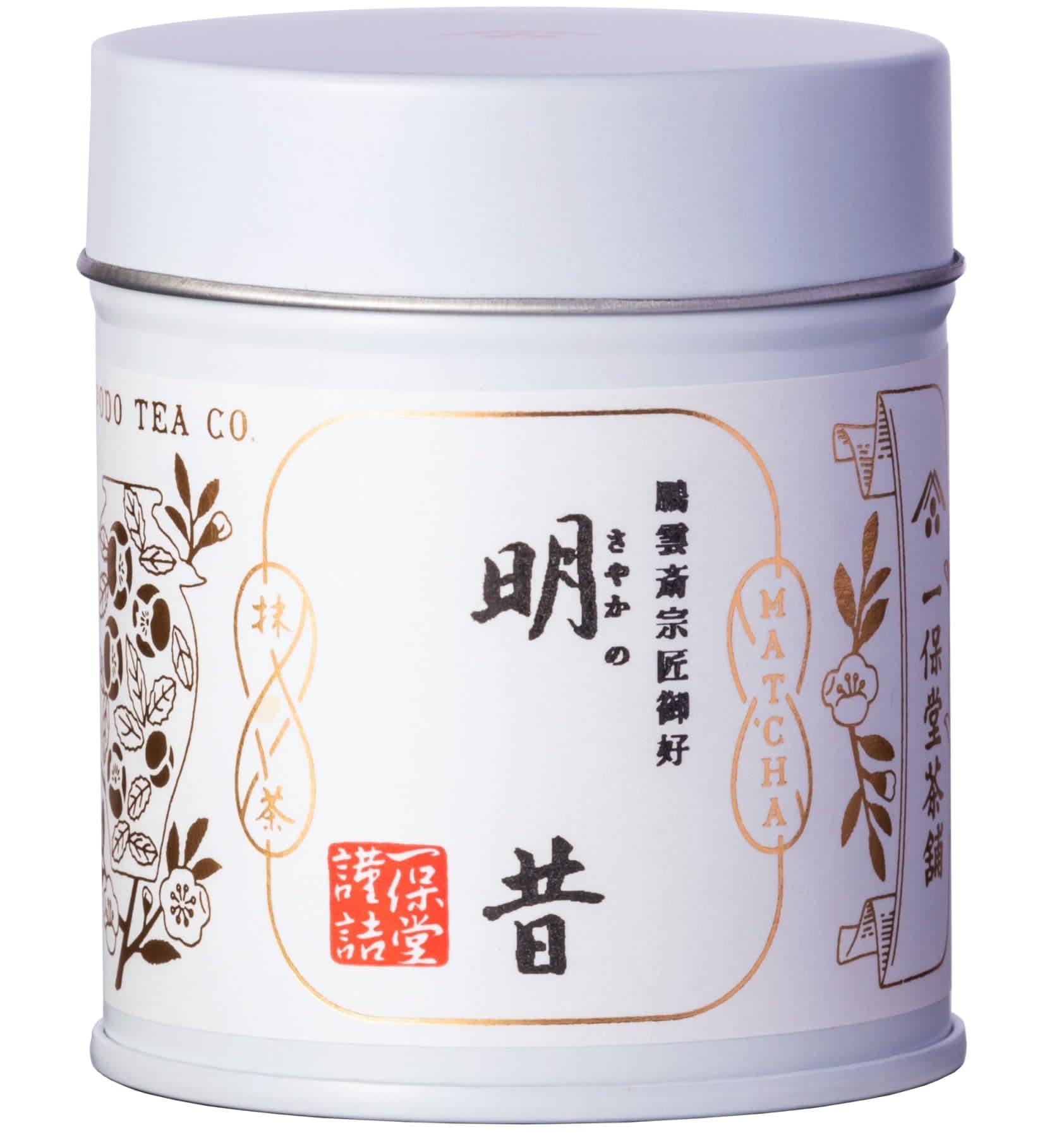
Sayaka no Mukashi
A smooth, rich, and sweet usucha with just enough bitterness to make it an excellent introduction to matcha.
Read →
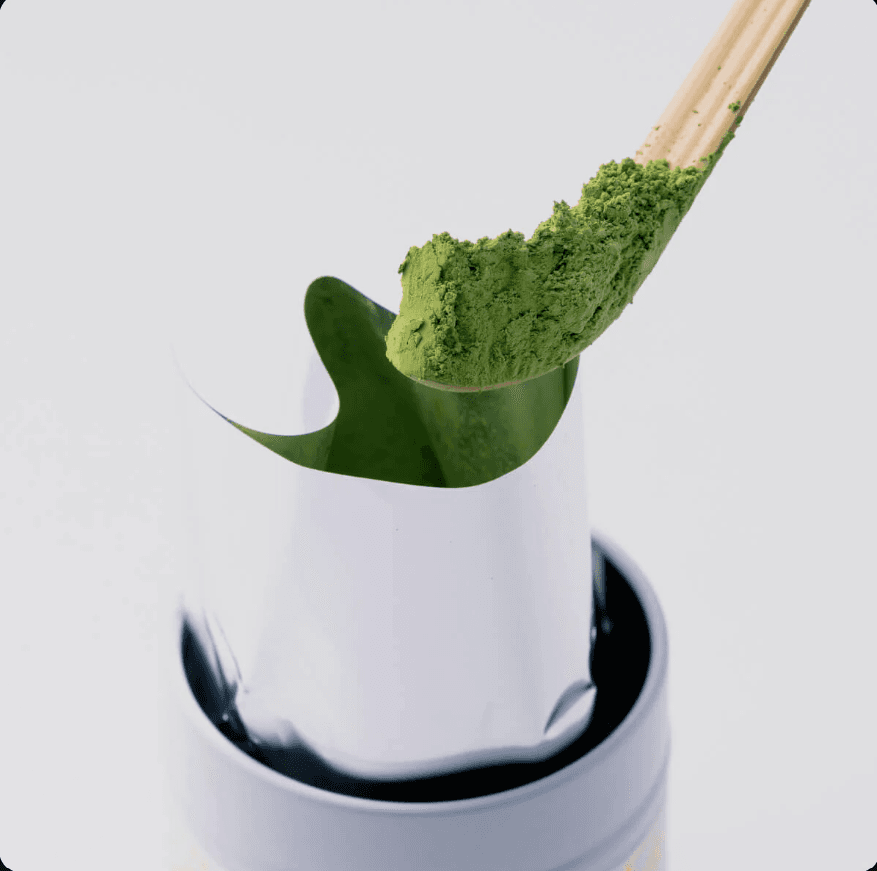
Ummon no Mukashi
The pride of Ippodo: a rich, fragrant matcha with deep sweetness and pronounced umami.
Read →
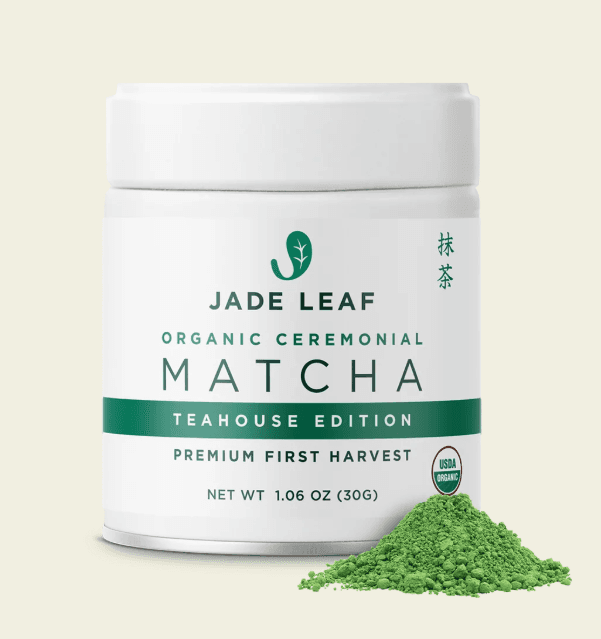
Jade Leaf
A widely popular matcha known for its bold bitterness and accessibility.
Read →
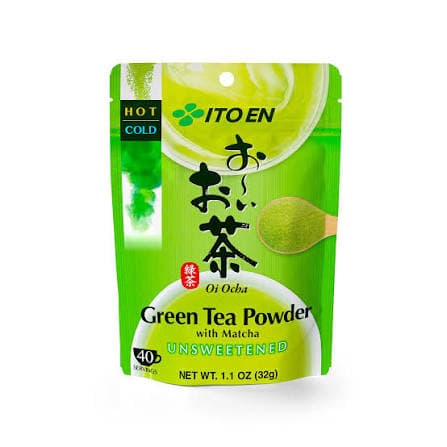
Ito En
The everyday matcha: affordable, versatile, and surprisingly satisfying.
Read →
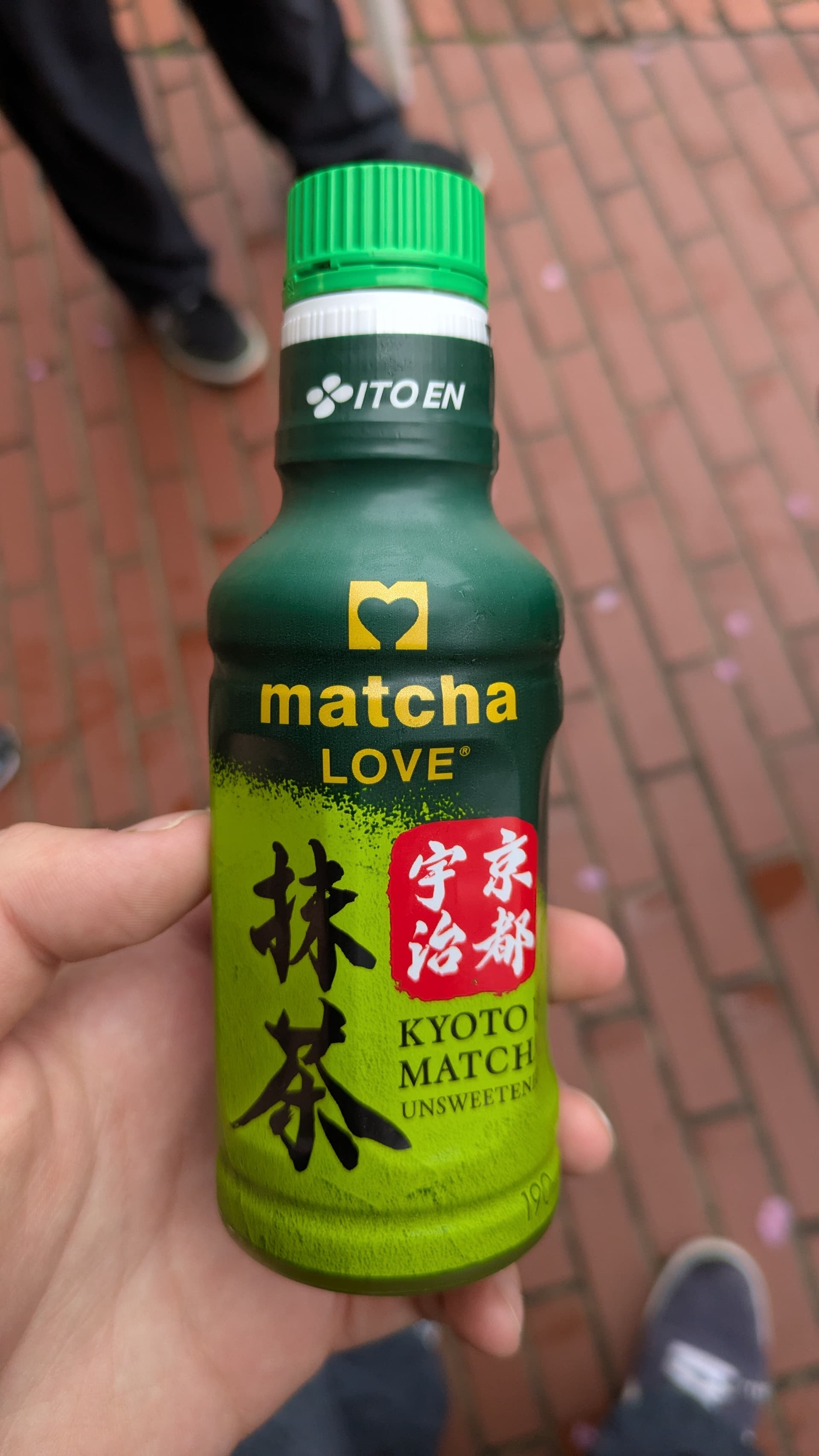
Matcha LOVE
A surprisingly flavorful ready-to-drink matcha that makes quality tea convenient.
Read →
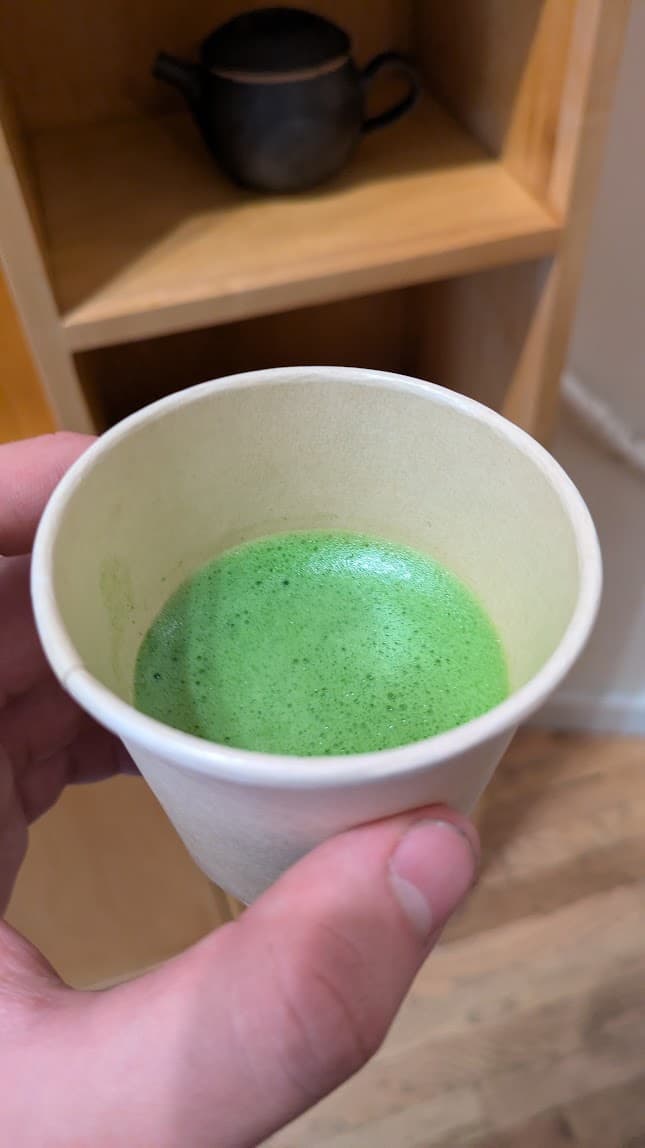
Kettl's Shuichiro Sakamoto Saemidori
A world-class single-cultivar matcha with remarkable sweetness, depth, and balance.
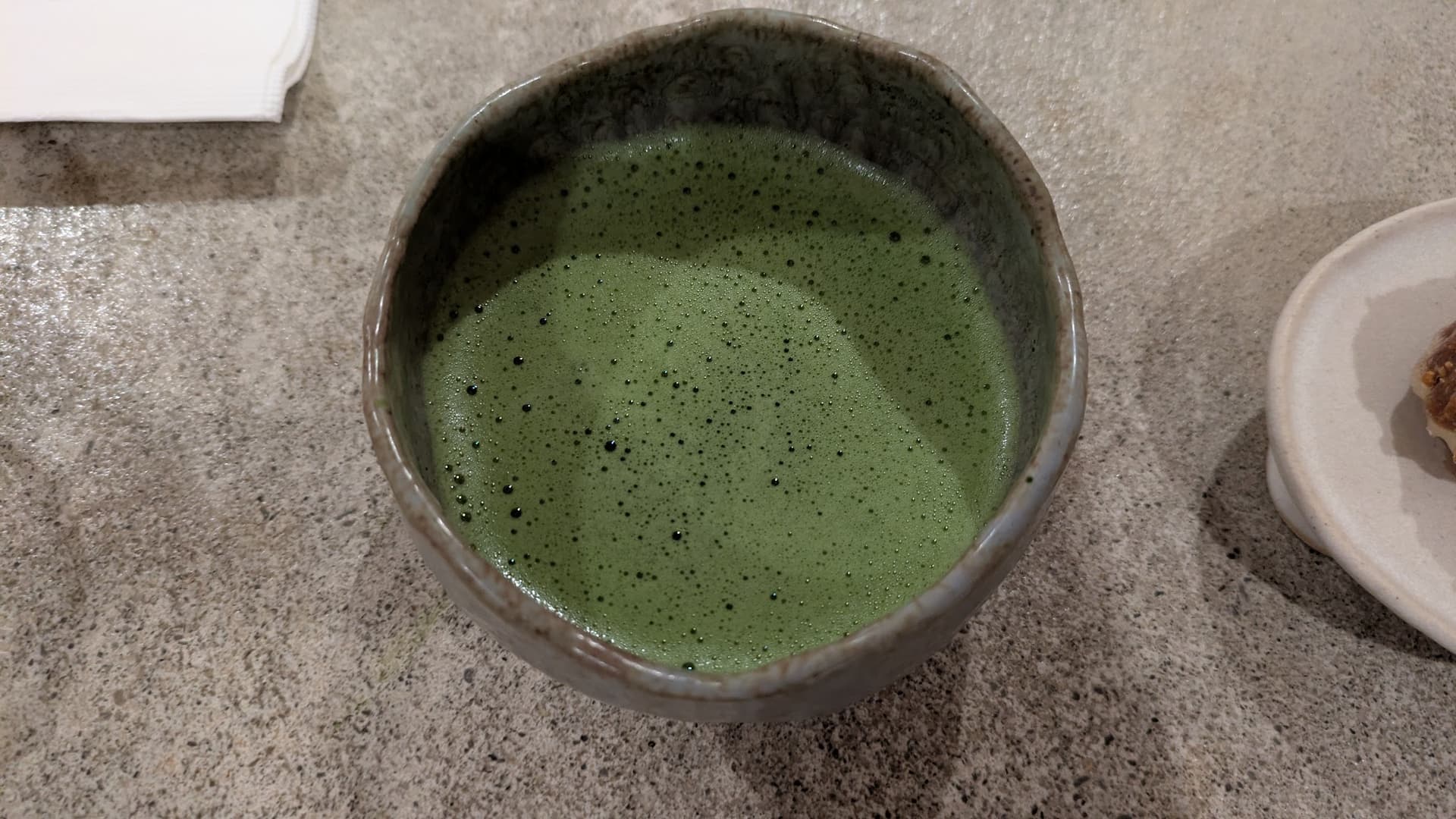
Samidori
A fresh and floral usucha with grassy sweetness, gentle salinity, and a hint of bitterness.